
Hard Maple vs. Soft Maple Wood: What’s the Difference?
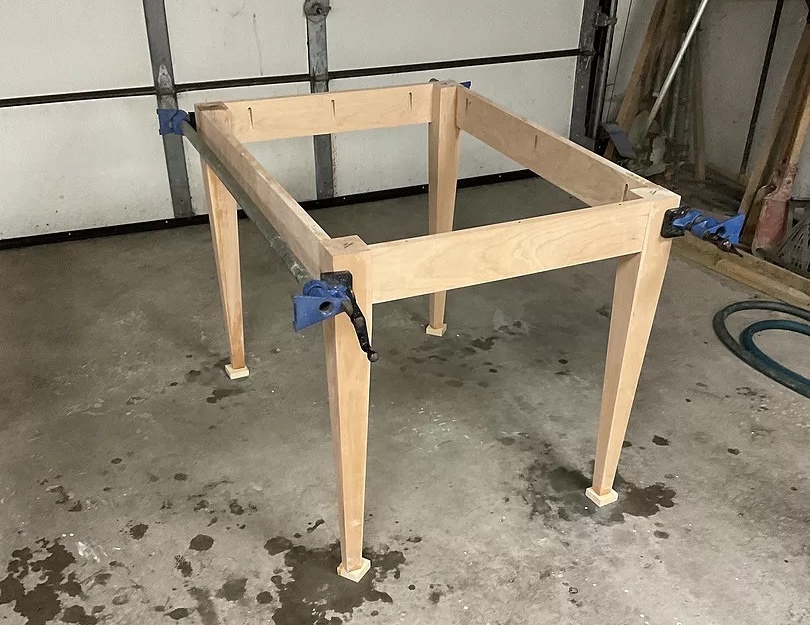
If you've been researching wood for furniture, table legs, or woodworking projects, you've likely come across the choice of hard maple vs. soft maple. Despite the names, the difference between these two wood types isn't as simple as one being well, hard and the other softer.
Both come from the maple tree family and share a similar appearance, but they have different characteristics that make them better suited for different applications.
In this guide, we'll break down the key differences between hard maple vs. soft maple, including durability, appearance, workability, and how we tend to use each one.
What Is Hard Maple?
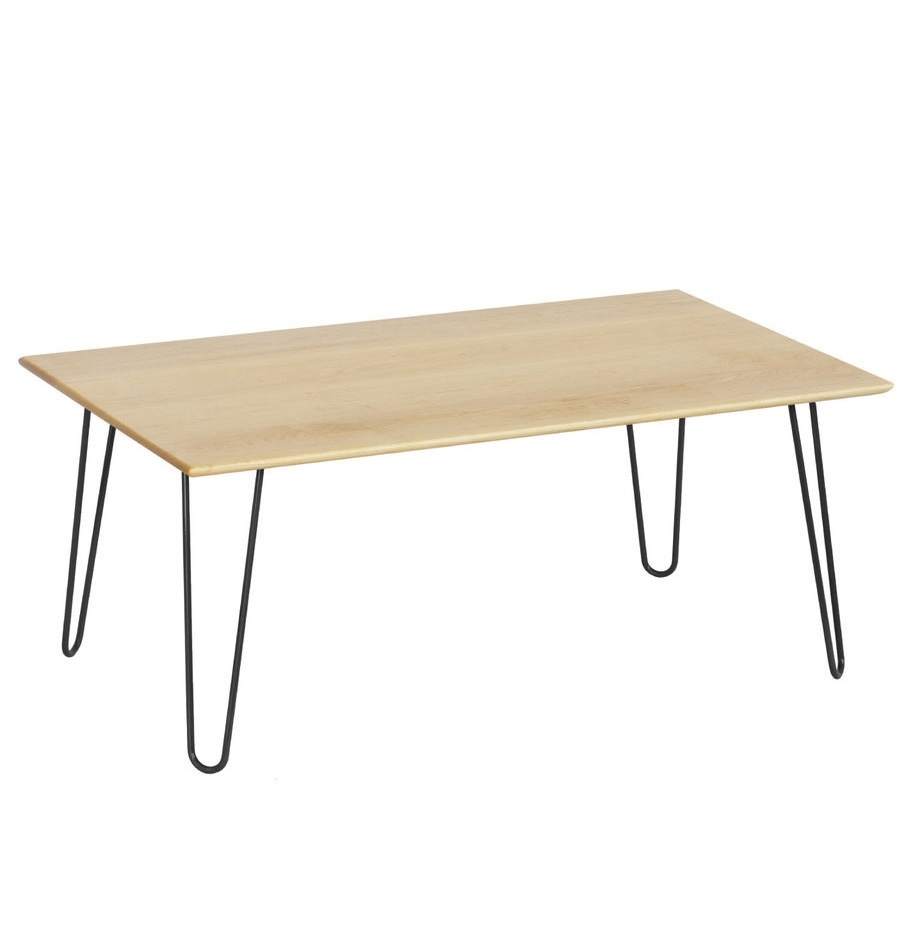
Hard maple, also known as sugar maple, comes primarily from the Acer saccharum tree. This is the same species used to produce maple syrup and is widely known for its durability and strength.
Hard maple is one of the hardest domestic hardwoods in North America, making it a popular choice for high-wear surfaces.
Key characteristics of hard maple
- — Very dense and durable
- — Fine, tight grain pattern
- — Light, creamy color
- — Highly resistant to wear
- — More difficult to machine and work with
Because of its strength, hard maple is commonly used for:
- — Table tops
- — Kitchen countertops
- — Cutting boards
- — Butcher blocks
- — Flooring
- — Workbenches
Its density also means it can withstand years of heavy use without denting easily, which is why it's often used in commercial settings. At Table Legs, we offer both soft maple and hard maple table tops, depending on your usage and preference.
What Is Soft Maple?
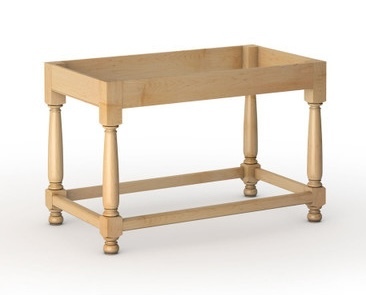
Soft maple refers to several maple species, most commonly red maple, silver maple, and bigleaf maple. While the name suggests softness, soft maple is still considered a hardwood and is actually harder than many popular woods like pine. All of our soft maple products are constructed using red maple, as it's the only soft maple harvested for lumber in the northeast.
Compared to hard maple, it's slightly less dense and easier to work with.
Key characteristics of soft maple:
- — Moderately hard and durable
- — Slightly more open grain
- — Often has a darker color than hard maple and varies from white to gray to brown
- — Easier to machine and cut
- — Typically more affordable
Soft maple is often used for:
- — Furniture components
- — Cabinet doors and frames
- — Wooden table bases and wooden table legs
- — Interior millwork
- — Painted or stained wood projects
Hard Maple vs Soft Maple: Key Differences
While they look similar, several factors set these woods apart.
1. Hardness and Durability
Hard maple is significantly denser than soft maple. On the Janka hardness scale, which measures wood resistance to denting:
This means hard maple is almost twice as hard as some soft maple varieties. If your project needs to withstand heavy wear and daily use, like a tabletop, hard maple may be the better option.
2. Appearance and Grain
Both woods share a light color and fine grain, which is why they are often confused. However, there are subtle differences:
Hard Maple
— Creamy white color
— Very subtle grain
— Consistent appearance
Soft Maple
— Slightly darker tone
— May have more color variation
— Sometimes features curly or tiger grain patterns
Because of these variations, soft maple can provide more visual character in furniture pieces.
3. Workability
Soft maple is generally easier to work with than hard maple. Hard maple's density can make it:
- — More difficult to cut
- — Tougher on tools
- — More prone to burning when machined
Soft maple machines more easily, making it a common choice for turned legs, decorative furniture parts, and custom woodworking projects.
4. Staining and Finishing
Another important difference is how the woods accept stain.
Hard maple has a very tight grain, which can make it difficult to stain evenly. Without proper preparation, it can appear blotchy.
Soft maple tends to accept stain more evenly, making it a better option for projects where you want to achieve a specific color or darker finish.
Both woods can also be painted or sealed with clear finishes for a natural look.
5. Cost and Availability
Hard maple is typically more expensive because of its density, durability, and demand in flooring and industrial applications.
Soft maple is generally more affordable and widely available, making it a popular choice for furniture components and architectural woodwork.
Which Maple Is Best for Furniture?
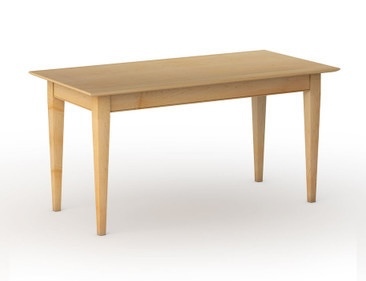
Both hard maple and soft maple can be excellent choices depending on the type of furniture you're building.
Choose Hard Maple if you need:
— Maximum durability
— A very hard surface
— A long-lasting tabletop or work surface
Choose Soft Maple if you want:
— Easier machining and shaping
— Good durability with lower cost
— Better stain absorption
— Decorative furniture parts like legs or bases
For many furniture projects, especially table bases and legs, soft maple provides the ideal balance of strength, workability, and appearance.
Hard maple and soft maple are both high-quality hardwoods with unique strengths. While hard maple offers exceptional durability, soft maple provides easier workability and versatile finishing options.
Understanding the differences between these two woods can help you choose the best material for your next project.
With any questions about the materials we offer, don't hesitate to get in touch with our customer service team.
